


BRANDED MERCHANDISE FAQS - YOUR QUESTIONS ANSWERED
EVERYTHING YOU NEED TO KNOW ABOUT BRANDED MERCHANDISE AND WORKING WITH NOVELLI
Whether you're exploring branded merchandise as a marketing channel or looking for the right merchandise partner, choose the section that's most relevant to you.
These answers are based on Novelli's extensive experience designing, manufacturing and delivering branded merchandise programs for global brands across retail, FMCG, QSR, hardware, trade and sporting sectors.
BRANDED MERCHANDISE FAQS: STRATEGY, IDEAS, ROI, SUSTAINABILITY & SUPPLIER SELECTION
The most effective branded merchandise is useful, relevant to the audience, and aligned with the campaign objective. Products that solve a real need, create a positive brand experience, or become part of a customer's daily routine tend to generate the strongest engagement and brand recall.
The best branded merchandise is not necessarily the most expensive product—it is the item recipients genuinely want to keep and use. Successful campaigns start by understanding the audience and the desired outcome. For example, a retail promotion may benefit from a collectible gift-with-purchase, while a B2B campaign may achieve better results with personalized products.
Effective branded merchandise should:
-
Be useful and relevant
-
Reflect the brand's positioning
-
Deliver a positive experience
-
Encourage long-term visibility
-
Support broader marketing objectives
Brands increasingly use bespoke merchandise rather than generic promotional products because custom-designed items create stronger emotional connections and differentiate the brand from competitors.
People are most likely to keep branded merchandise that is useful, high-quality, and relevant to their lifestyle. Products that become part of everyday routines deliver significantly greater long-term brand exposure.
Research consistently shows that usefulness is one of the strongest predictors of merchandise retention. Consumers are far more likely to keep products they regularly use than novelty items with little practical value.
Popular categories include:
-
Buildables
-
Drinkware
-
Bags and backpacks
-
Apparel
-
Tech accessories
-
Home and lifestyle products
-
Collectibles
The most successful merchandise programs focus on creating products that recipients would choose to use even without branding. When merchandise provides genuine value, brands benefit from repeated impressions over months or even years.
In B2C marketing, branded merchandise is often used to influence customer behaviour and build emotional connections with a brand. Unlike many forms of advertising that are consumed and forgotten quickly, merchandise creates a tangible interaction that can remain in a customer's home, workplace or daily routine for months or even years.
Brands commonly use merchandise to:
-
Drive gift-with-purchase promotions
-
Increase average transaction value
-
Support loyalty and rewards programs
-
Create excitement around product launches
-
Enhance sponsorship and event activations
-
Encourage repeat visits and purchases
-
Build brand affinity and customer loyalty
The most successful programs focus on providing products that customers genuinely value, rather than simply adding a logo to a generic item. Collectible merchandise, limited-edition products and retail-quality branded goods can create a sense of exclusivity and encourage customers to engage more deeply with the brand.
ROI is typically measured against objectives such as increased sales, higher basket spend, customer acquisition, loyalty program participation, repeat purchase behaviour, social media engagement and long-term brand preference. When aligned with a broader marketing strategy, branded merchandise can become a powerful tool for turning one-time customers into long-term brand advocates.
Branded merchandise can deliver strong ROI in B2B marketing by increasing brand awareness, strengthening customer relationships, improving event engagement, and supporting account-based marketing strategies.
Unlike digital advertising, branded merchandise creates a physical interaction between a brand and its audience. This tangible connection often leads to higher engagement and longer-lasting brand exposure.
In B2B environments, merchandise is commonly used to:
-
Increase event attendance
-
Support account-based marketing campaigns
-
Nurture key prospects
-
Reward customer loyalty
-
Strengthen client relationships
The most effective programs measure ROI against specific objectives such as lead generation, meeting bookings, event participation, customer retention, or sales pipeline influence rather than focusing solely on product cost.
Both play important roles, but branded merchandise often delivers stronger long-term brand recall because it creates a physical, repeated interaction with the brand over time.
Digital advertising is effective for reach and frequency, while branded merchandise creates ongoing visibility in the recipient's environment. A digital advertisement may be seen for a few seconds, whereas a useful branded product can remain visible for months or years.
The most successful campaigns use both channels together:
-
Digital advertising builds awareness.
-
Merchandise creates engagement and memorability.
-
Together they improve overall campaign effectiveness.
For many brands, merchandise acts as a powerful reinforcement tool that helps convert awareness into lasting brand recognition.
The best gift-with-purchase products are relevant to the brand, perceived as valuable, and encourage customers to complete a purchase or spend more.
Effective GWP programs help brands drive sales, increase basket size, and create excitement around promotions. Successful gifts often complement the core product or extend the brand experience.
Popular examples include:
- Collectible items
- Branded lifestyle products
- Limited-edition merchandise
- Seasonal gifts
- Custom miniatures
- Building sets
The most successful GWP campaigns create a sense of exclusivity and encourage customers to act quickly.
See some examples on our Gift With Purchase webpage.
Trade show merchandise works best when it is practical, easy to carry, and memorable enough to stand out among competing exhibitors.
Attendees often collect dozens of promotional items during an event. The products that generate the greatest impact are those that recipients continue using after the show.
Effective trade show merchandise includes:
- Bespoke branded items
- Premium drinkware
- Tote bags
- Travel products
- Building sets
Many brands are moving away from low-cost giveaways in favour of fewer, higher-quality products that create stronger engagement.
Learn about the NovaBrix set we created that became Holman's show-stopper giveaway
The most effective staff incentive gifts feel meaningful, personalised, and aligned with company culture rather than purely transactional. Employee reward programmes work best when they create a genuine sense of recognition and appreciation rather than simply distributing products.
Popular categories include premium apparel, lifestyle products, wellness items, building sets, and limited-edition branded collections. For ongoing staff gear programmes - uniforms, workwear, and branded apparel that teams actually want to wear, your corporate gear page has relevant examples and case studies.
For one-off gifts, milestone rewards, or event giveaways, see our giveaways and gifts page. The strongest programmes focus on creating pride and emotional connection rather than simply filling a budget line - and that starts with choosing the right product for the right moment.
Brands use merchandise in sports sponsorships to increase fan engagement, create memorable experiences, and extend sponsorship value beyond the event itself.
Merchandise plays an important role in helping brands turn sponsorship audiences into active participants. Products can be used as giveaways, collectibles, competition prizes, VIP gifts, or retail merchandise.
Common objectives include:
- Increasing fan participation
- Driving social sharing
- Extending event visibility
- Creating collectible experiences
- Generating retail sales
Custom-designed merchandise often becomes a lasting reminder of the sponsorship experience.
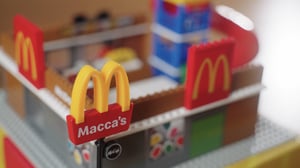
Learn about the effective bespoke branded merch we created for McDonald's Football NZ sponsorship
Yes. Many brands now develop merchandise specifically for retail environments, creating products that customers actively choose to purchase rather than receive as promotional items.
Retail merchandise requires a different approach from traditional promotional products. Products must meet consumer expectations around quality, packaging, design, and value.
Successful retail merchandise programs focus on:
- Product desirability
- Brand alignment
- Strong packaging
- Collectability
- Retail-ready presentation
When executed well, branded merchandise can become a profitable product category while strengthening customer affinity for the brand.
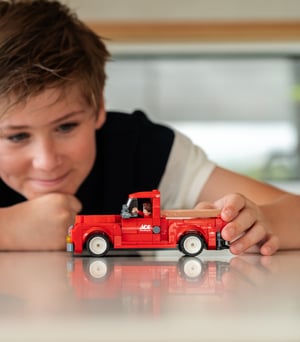
Want to learn how we have helped brands create branded retail ranges? See our Case Studies -Ace Hardware NovaBrix range and O'Reilly Auto Parts NovaBrix range.
Bespoke branded merchandise typically delivers stronger engagement, higher perceived value and better long-term ROI than standard catalogue promotional products because it is designed specifically for a brand, campaign and target audience.
Standard promotional products - sometimes called catalogue or brochure merchandise - typically involve applying a logo to an existing product such as a pen, mug, notebook or tote bag. While these products can be effective for certain applications, they are often used by multiple brands and can struggle to stand out in a crowded marketplace.
Bespoke branded merchandise takes a different approach. Products are designed specifically for the brand, campaign or customer experience, creating something unique that recipients cannot find elsewhere.
Standard Promotional Merchandise
Typical benefits include:
-
Lower upfront investment
-
Faster production timelines
-
Lower minimum order quantities
-
Suitable for simple giveaways and events
However, standard products can often:
-
Blend in with competitor merchandise
-
Have lower perceived value
-
Generate fewer emotional connections
-
Be discarded more quickly
Bespoke Branded Merchandise
Typical benefits include:
-
Unique products tailored to your brand
-
Greater customer engagement
-
Higher perceived value
-
Stronger brand differentiation
-
Better alignment with campaign objectives
-
Increased collectability and shareability
-
Longer product retention and usage
Because bespoke products are designed around the customer experience rather than simply displaying a logo, they are often more memorable and more likely to become part of the recipient's daily life.
The return on investment from branded merchandise is often driven by engagement, retention and brand recall rather than product cost alone.
Bespoke merchandise can improve ROI by:
-
Increasing customer participation in promotions
-
Driving higher gift-with-purchase redemption rates
-
Encouraging repeat purchases through collectible programs
-
Generating social media engagement and user-generated content
-
Creating stronger emotional connections with the brand
-
Delivering longer-lasting brand exposure
-
Differentiating the brand from competitors
For example, a custom-designed collectible, retail-quality product may remain in use for years, generating thousands of brand impressions and repeat interactions. In contrast, a generic promotional item may be forgotten or discarded shortly after it is received.
For brands looking to create memorable customer experiences, strengthen loyalty and maximise the impact of their marketing investment, bespoke branded merchandise often delivers significantly greater long-term value than standard promotional products.
Bespoke branded merchandise is developed from concept through to manufacturing, allowing brands to create unique products tailored to specific campaigns, audiences, and objectives.
The process typically includes:
- Strategy and briefing
- Concept development
- Product design
- Sampling and prototyping
- Manufacturing
- Quality assurance
- Logistics and fulfilment
A bespoke approach enables brands to create merchandise that aligns closely with their identity and campaign goals.
Simple branded products may be available at relatively low quantities, while fully bespoke products often require higher volumes to make production commercially viable.
Factors affecting MOQ include:
- Materials
- Manufacturing methods
- Packaging requirements
- Tooling requirements
- Product complexity
An experienced supplier can often recommend alternative approaches that balance creativity and budget.
Most bespoke branded merchandise projects take between 10 and 16 weeks, depending on product complexity, approvals, manufacturing requirements, and shipping timelines.
Production timelines typically include:
-
Design and development
-
Prototype approval
-
Manufacturing
-
Quality control
-
Freight and logistics
Brands planning seasonal campaigns, sponsorship activations, or retail promotions should begin the process as early as possible to allow sufficient development time.
A strong branded merchandise supplier combines creative product development, global sourcing expertise, quality assurance, sustainability knowledge, and reliable logistics capabilities.
Global brands increasingly look for partners that can:
-
Develop bespoke products
-
Manage international supply chains
-
Deliver consistent, high-quality and compliant products
-
Design and produce retail-ready packaging
-
Meet sustainability objectives
-
Support multi-market programs
-
Handle warehousing and fulfilment
The best suppliers act as strategic partners rather than simply product providers.
Learn more about what makes Novelli a strong partner -What We Do
Sustainable branded merchandise is designed to minimise environmental impact through responsible sourcing, ethical manufacturing, product longevity, and reduced waste.
Modern sustainability goes beyond simply using recycled materials. Brands increasingly evaluate products based on their full lifecycle - sourcing, production, transportation, use, and end-of-life disposal. Our n-viroloop programme addresses that last point directly, providing a responsible take-back and recycling pathway so branded merchandise doesn't end up in landfill when it's no longer needed.
Sustainable merchandise helps brands support ESG goals, meet stakeholder expectations, and create more meaningful products - and it pairs naturally with broader social and environmental initiatives where the product itself should reflect the brand's values.
The most sustainable merchandise is ultimately merchandise people genuinely want to keep and use - because a product that stays in circulation is always better than one that doesn't.
The best eco-friendly promotional products align with both sustainability goals and the needs of the intended audience. A sustainable product that people actually use is more effective than a low-impact product that is quickly discarded.
When evaluating sustainable merchandise, consider:
-
Product usefulness
-
Material selection
-
Product lifespan
-
Packaging
-
Supply chain transparency
-
Ethical sourcing practices
Rather than focusing on sustainability claims alone, brands should assess whether the product delivers genuine value while supporting broader environmental and social objectives.
A well-designed sustainable merchandise program can strengthen both brand perception and long-term campaign effectiveness.
WORKING WITH NOVELLI FAQS
Whether you're planning a retail promotion, sponsorship activation, employee engagement program or custom product range, choosing the right merchandise partner is critical to campaign success.
These FAQs answer common questions about Novelli's design, sourcing, manufacturing, sustainability and global delivery capabilities, helping you understand how we work with brands to create merchandise programs that deliver measurable results.
.png?width=300&name=1001878240_HomeDepot_Warehouse_Store_Front_NovaBrix_blocks%20(26).png)
.jpg?width=300&name=Holman%20NovaBrix%20Pickup%201_32%20v6%20(1).jpg)
.jpg?width=300&name=_NEO4108%20(1).jpg)


1. ABOUT NOVELLI
Our clients include McDonald's, 7-Eleven, Lowe's, Taco Bell, B&Q, Ace Hardware, Mainfreight and World Gym.
2. WORKING WITH GLOBAL CUSTOMERS
3. SOURCING AND PRODUCTION
4. PARTNERING WITH NOVELLI
5. PRODUCTS AND SERVICES
We create a wide range of branded merchandise across virtually every product category - from corporate gear and branded apparel and giveaways and gifts to custom protein shakers and drinkware, wooden craft kits, promotional packaging, custom furniture, and bespoke corporate gifts.
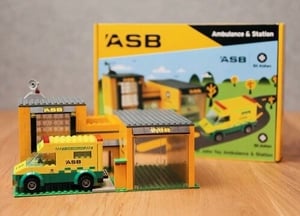
We also have our own building brick brand, NovaBrix - customisable brick sets we've produced for retailers, QSR brands, trade shows, and GWP campaigns across multiple countries.
If it can be branded, we can almost certainly make it. The full range of what we do is covered across our What We Do pages - or just get in touch and tell us what you're looking for.
6. DESIGN AND BRANDING
7. ORDERING & PROCESS
8. SUSTAINABILITY & ETHICS
Our supply chain spans multiple countries, including manufacturing partners across Asia, Europe, and Oceania. Every supplier in our network is selected against strict criteria covering social compliance, environmental impact, product safety, supply chain security, and product quality - and is subject to regular audits to ensure those standards are maintained.
We also work with a number of New Zealand and Australian suppliers where locally made options are available, which helps reduce freight emissions and supports local manufacturing industries.
For brands with ESG reporting obligations or sustainability commitments, we can provide documentation on our sourcing standards and supply chain practices on request. You can read more about our approach to environmental responsibility on our n-viroloop page, and about how we help brands bring their social and environmental values to life on our Social Initiatives page.
Yes - through our n-viroloop programme, we provide a responsible take-back and recycling pathway for branded merchandise at the end of its useful life.
Most promotional products have no planned end-of-life pathway - they're used, forgotten, and eventually end up in landfill. n-viroloop addresses that directly, giving merchandise a destination beyond the bin and ensuring the environmental story doesn't end when the product is no longer needed.
This is particularly valuable for brands with ESG reporting obligations, social and environmental initiative campaigns, large corporate gear programmes where items may eventually need retiring, and retail ranges at end of season.
If sustainability is part of your brief, raise it at the start of the project - it's easier to build a responsible end-of-life pathway in from the outset than to retrofit it later.
Find out more about n-viroloop or get in touch to discuss how it fits your programme.